With new Medicaid work rules scheduled to take effect in 42 states by the end of 2026, policymakers are working to find new, better ways to enable Medicaid applicants to demonstrate that they are meeting Medicaid work and community engagement requirements.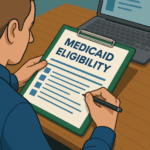
While the Centers for Medicare & Medicaid Services has set aside $200 million to pursue technology solutions for this problem, such efforts, at least so far, have not proven successful.
In a test in Louisiana, for example, state officials sent text messages to 13,000 Medicaid enrollees, asking them to follow a link to a state web site at which they could verify their income. Fewer than 1000 people – less than seven percent – did so.
Arizona and Georgia have reported attempting their own approaches to using technology to help with work and community engagement verification but so far have not reported on the effectiveness of their efforts. Still, CMS officials maintain that new technologies will enable applicants and beneficiaries to verify their compliance with work and community engagement requirements easily and quickly.
The Alliance of Safety-Net Hospitals and community safety-net hospitals across the country have an enormous stake in the success of such efforts because they serve so many more Medicaid patients than the typical American hospital and stand to see significant numbers of their patients lose access to Medicaid-covered care at the end of 2026.
Learn more about the challenges states face in helping prospective Medicaid benefits demonstrate that they are qualified to participate in the program from the Kaiser Health News report “Officials Show Little Proof that New Tech Will Help Medicaid Enrollees Meet Work Rules.”